Town & village · Lake Geneva Region
Lausanne
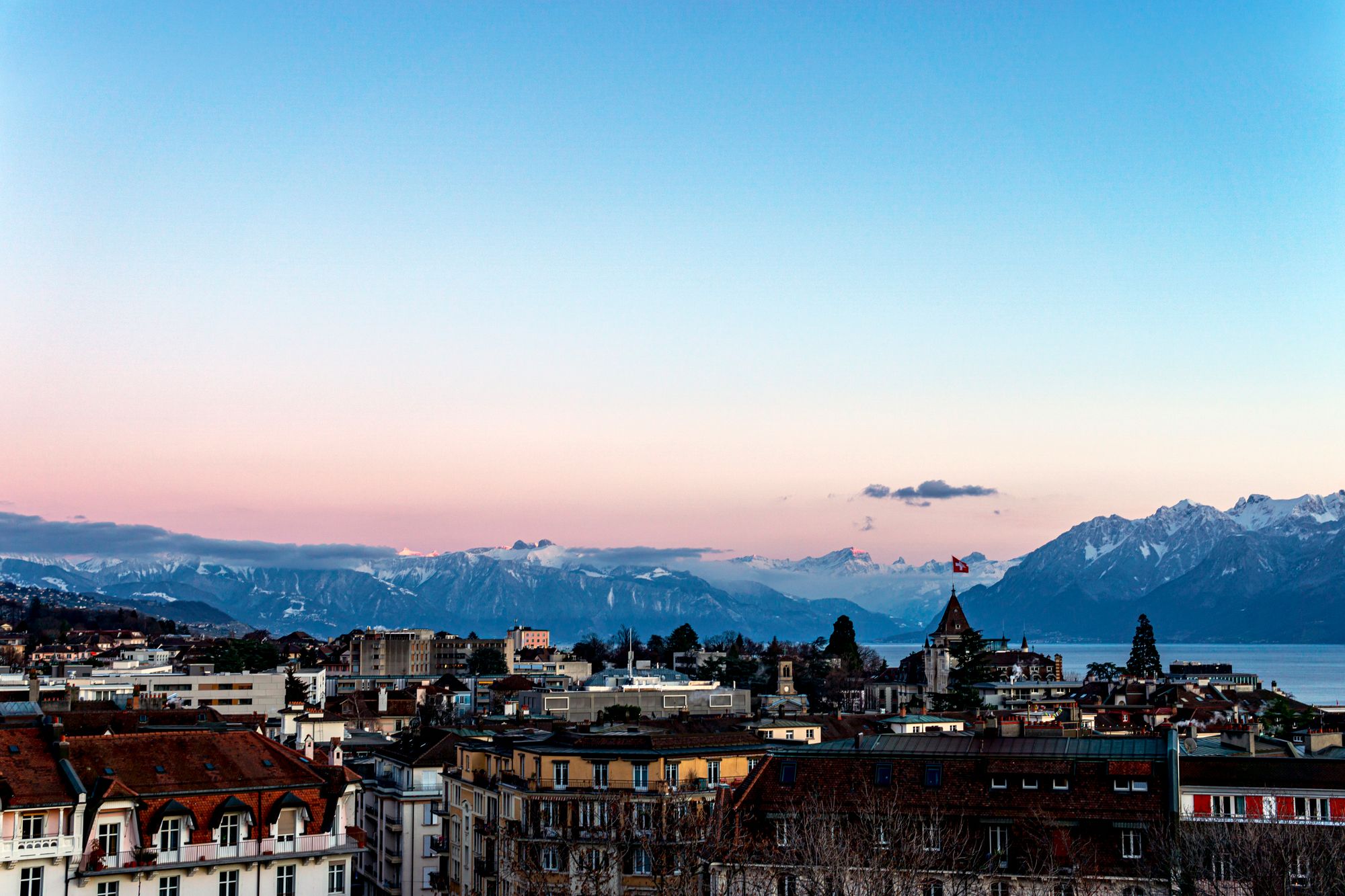
A hilly university city, home of the Olympic movement, with the lake at the bottom of every street.
Photo: Neil Bates / Pexels
- Canton
- Vaud
- Language
- French
- Time to allow
- A full day for the Olympic Museum, cathedral and old town. Stay two nights to add Lavaux and a boat trip.
- Best time
- Lausanne is a year-round city
Built on a series of steep hillsides rising from the shore, Lausanne has a vertical layout that shapes everything about a visit. The cathedral and old town sit on top, the main station halfway down, and the old fishing port of Ouchy at the waterline — with a rubber-tyred metro line climbing between them.
It is a lively, young city thanks to its university and the EPFL engineering school, and it has been the headquarters of the International Olympic Committee since 1915. For travelers it offers two things: a proper city day, with museums, a Gothic cathedral and good restaurants, and an excellent position on the rail network for Lavaux, Montreux, Geneva and the routes east to Bern and Interlaken.
What to do
Lausanne, at its best
The Olympic Museum
A modern museum in a park above the lake at Ouchy, covering the history of the Games through films, objects and interactive displays. The terrace café looks across the water to France. Allow two hours.
Cathedral of Notre-Dame
One of the finest Gothic buildings in Switzerland, consecrated in the thirteenth century, with a carved south portal and a rose window. Climb the tower for the view. Every night a watchman calls out the hour from the belfry, a custom kept for centuries.
Old town and the Escaliers du Marché
A covered wooden staircase leads from the Place de la Palud, with its painted fountain and clock, up to the cathedral. On Wednesday and Saturday mornings the streets around it fill with a market.
Ouchy and the lakefront
The waterfront promenade runs west from the boat pier through parks to Vidy. This is where to take a lake steamer east towards Lavaux and Montreux, or across to Évian in France.
Collection de l'Art Brut and Plateforme 10
The Art Brut museum shows work by self-taught and outsider artists — an unusual collection. Next to the station, Plateforme 10 groups the cantonal fine arts museum with photography and design museums.
Getting there
How to reach Lausanne
From Geneva
Trains run several times an hour along the lake and take about 40 minutes from Geneva station; there are direct services from Geneva Airport as well.
From Zurich
Direct intercity trains via Bern take a little over two hours.
From Interlaken
Train to Bern, then a direct service to Lausanne; roughly two hours in total.
From Montreux
Around 20 minutes by regional train, or a slower but lovely boat ride past the vineyards.
From our specialists
Before you go
- 1Use the m2 metro rather than walking uphill: it connects Ouchy, the station, the Flon district and the old town. Most hotels give guests a free transport card for the city network.
- 2The night watchman's calls are from 10 pm to 2 am. Standing on the cathedral square at 10 pm makes a good end to a dinner in the old town.
- 3Lausanne is quicker than Geneva as a jumping-off point for Lavaux — the vineyard villages of Lutry and Cully are under 15 minutes away by local train.
Book a day out
Tours and tickets for Lausanne
Guided tours, mountain tickets and day trips run by local operators, with prices and reviews from our booking partner Viator. Book one on its own, or ask us to fit it into your holiday.

Olympic Museum Entrance Ticket in Lausanne
from CHF 20

Geneva or Lausanne Food Tour on Foot with Tastings and History
from CHF 220

Riviera Col du Pillon and Glacier 3000 Day Trip from Lausanne
from CHF 89

Taste Lausanne: A Full Swiss Food Tour on Foot
from CHF 178.05

The Mysteries of Lausanne: A Guided Walk Through the City's History
from CHF 100

Guided Group Walking Tour of Lausanne's Old Town
from CHF 20
Book it
Holidays that reach Lausanne
 Switzerland only
Zurich · Lucerne · Geneva
Swiss Essentials
5 nights 3 stops
 Switzerland only
Geneva · Zermatt · Zurich
Swiss Lakes & Peaks
5 nights 3 stops
 Switzerland only
Geneva · Interlaken · Zurich
Alpine Highlights
5 nights 3 stops
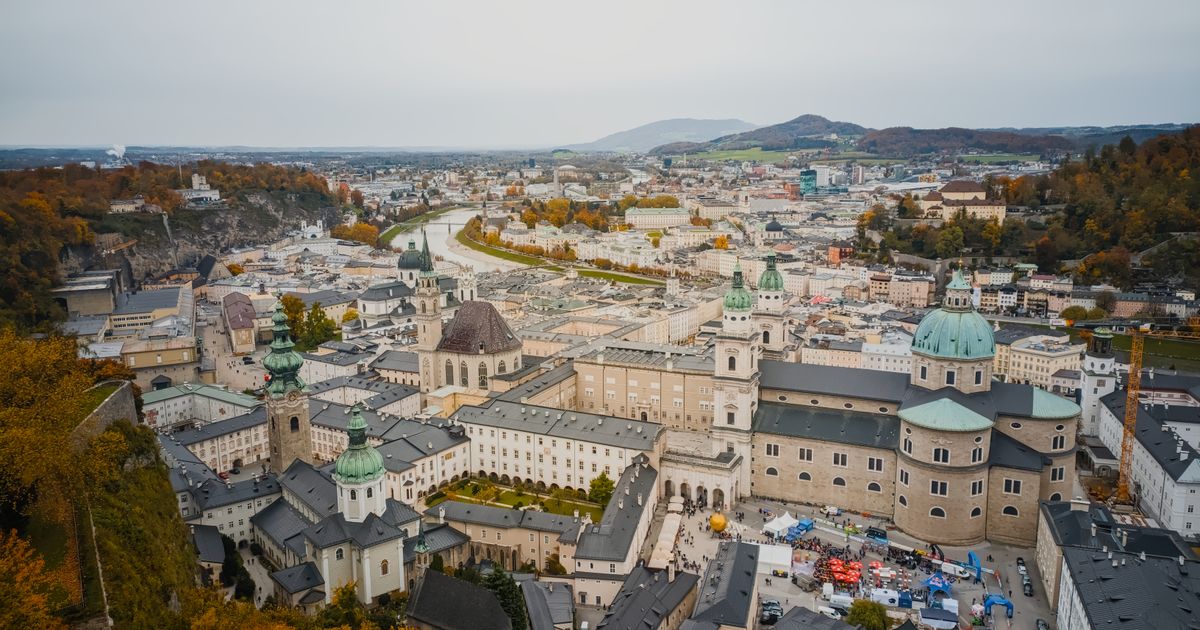 + Austria
Geneva · Innsbruck · Salzburg · Vienna
Best of Switzerland & Austria
9 nights 4 stops
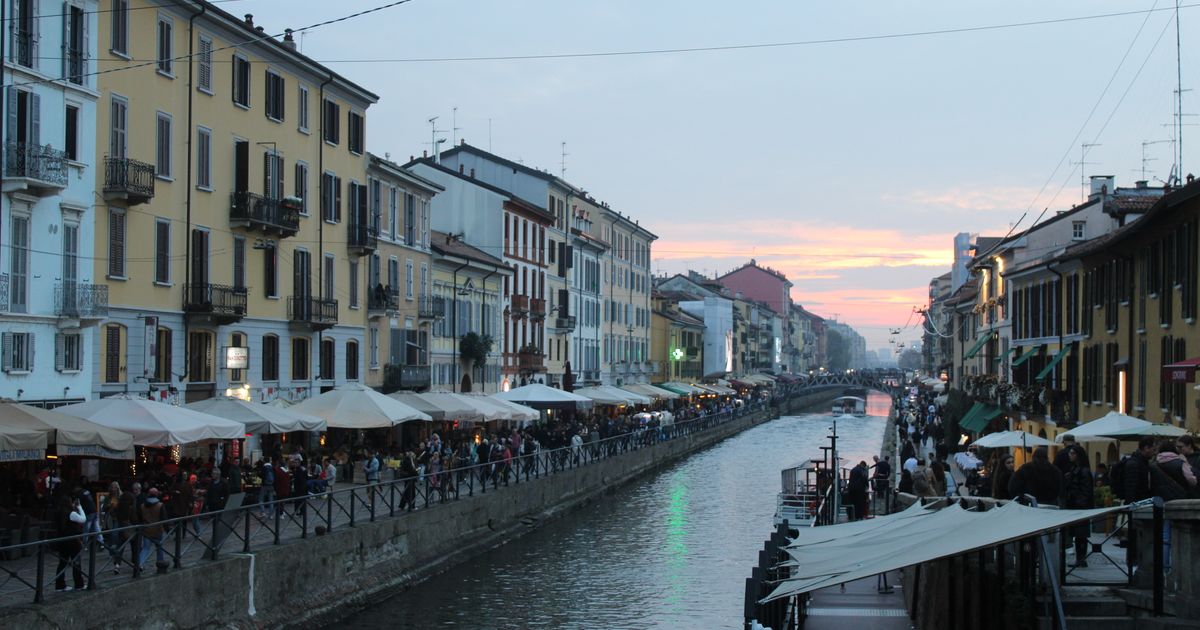 + Italy
Milan · Zermatt · Interlaken · Lucerne · Geneva
Swiss-Alpine Italian Escape
10 nights 5 stops
 Switzerland only
Zurich · Interlaken · Lucerne · Geneva
Swiss Explorer
9 nights 4 stops
Questions
Asked about Lausanne
Is Lausanne better than Geneva as a base?
For exploring the lake and Lavaux, yes — it is right in the middle. Geneva is more convenient if you fly in or out there, or want the UN and international side.
Does the Swiss Travel Pass get me into the Olympic Museum?
Pass holders get free entry to hundreds of Swiss museums, and the Olympic Museum has been one of them. Check the participating sites before you go.
How steep is Lausanne really?
Very. There is a height difference of roughly 500 m between the lake and the northern edge of the city. Plan routes using the metro and buses.
Combine it with